AI sales automation that actually closes deals, not just tracks them
Published March 23, 2026
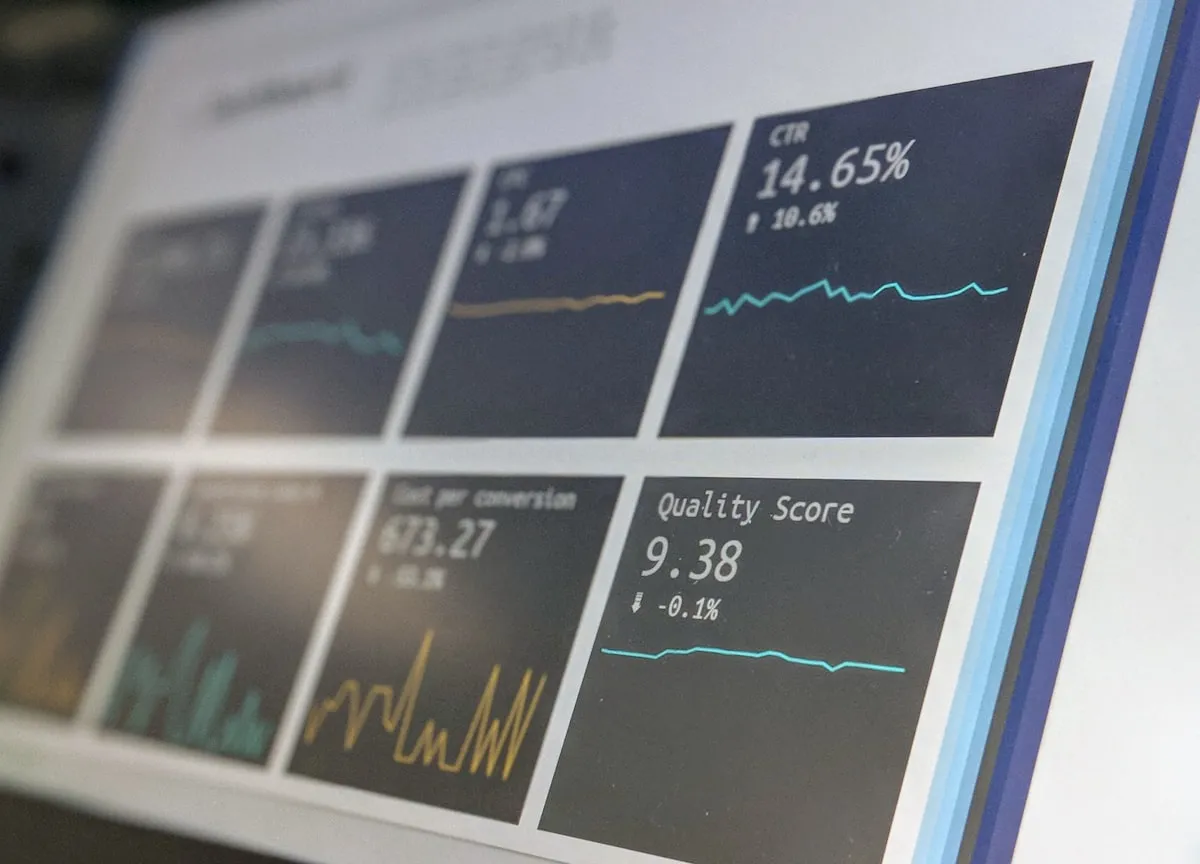
Most companies buy AI sales automation expecting a machine that sells. What they get is a prettier dashboard and the same amount of manual work. The tool changes. The workload doesn’t.
I’ve built sales systems for companies where the founders were still personally writing follow-up emails to leads at 11pm. Not because they wanted to. Because nothing in their tech stack actually did the work. They had a CRM. They had email tools. They had a “sales automation platform” costing four figures a month. And they were still doing the grunt work themselves.
That’s not automation. That’s decoration.
What AI sales automation actually means
Real AI sales automation means the system executes. Not suggests. Not reminds. Executes.
A lead comes in through your website at 2am. The system scores it, enriches the data from public sources, writes a personalised first-touch email based on what that company actually does, sends it, and books the call if they reply. Your salesperson wakes up to a calendar invite and a brief on who they’re talking to.
That’s what AI sales automation looks like when it’s built properly. The human shows up for the conversation. The machine handles everything before and after it.
The gap between what most people have and what’s possible isn’t a technology gap. It’s an architecture gap. They bought tools. They didn’t build a system.
The difference between tools and systems
A tool does one thing. A system connects twenty things and makes decisions between them.
Your CRM is a tool. Your email platform is a tool. Your calendar booking link is a tool. Individually, they’re fine. Together, with no intelligence connecting them, they create more work than they save. Someone still has to move the lead from one stage to another. Someone still has to decide when to follow up. Someone still has to write the email.
AI sales automation, done right, is the connective tissue. It’s the decision layer that sits on top of your tools and makes them act like one machine. When a deal stalls for 5 days, the system nudges. When a lead opens your proposal three times in one morning, the system alerts your closer. When someone ghosts after a discovery call, the system runs a re-engagement sequence that doesn’t sound like a robot wrote it.
You stop managing your pipeline. Your pipeline manages itself.
Why most AI sales implementations fail
They fail because companies start with the technology and work backwards. They see a demo, get excited about features, buy the platform, and then try to fit their sales process into it.
That’s backwards. You start with the process. Map every step from lead capture to closed deal. Identify which steps are decision-heavy (keep those human) and which are execution-heavy (automate those). Then build the system around your actual workflow.
I’ve seen companies spend six months “implementing” a sales AI tool only to have their team revert to spreadsheets because the tool didn’t match how they actually sell. That’s not a training problem. That’s an architecture problem.
The other failure mode is partial automation. You automate the follow-up emails but not the lead scoring. You automate the lead scoring but not the proposal generation. You end up with islands of automation connected by manual bridges. And those bridges are where things fall through the cracks.
If this sounds like your business, let's talk about building it.
The five components of a working AI sales system
Every AI sales automation system that actually performs has these five pieces.
Lead intake and scoring
Every lead gets scored the moment it enters your system. Not by a rule you wrote two years ago. By an AI model that looks at the company, the role, the behaviour, and the fit against your best customers. Your team only sees leads worth talking to.
Personalised outreach
First-touch emails and follow-ups written by AI that’s been trained on your voice, your offer, and your market. Not templates with merge fields. Actual personalised messaging that references what the prospect’s company does.
Pipeline intelligence
The system watches deal velocity, engagement signals, and stage duration. It flags deals that are slowing down before your sales manager notices. It re-prioritises your team’s day based on what’s most likely to close this week.
Proposal and document generation
Discovery call happens. Notes get transcribed. A custom proposal gets drafted within minutes, not days. Your closer reviews it, tweaks if needed, and sends. The bottleneck between “great call” and “proposal sent” shrinks from days to minutes.
Post-close handoff
The deal closes and the system triggers onboarding. Welcome emails, kickoff scheduling, internal task creation. No one has to remember to do it. No one has to copy-paste from the CRM into a project management tool.
What this looks like in practice
One of our builds handles everything from the moment a lead fills out a form to the moment they’re onboarded as a client. The sales team’s job is two things: run discovery calls and close. That’s it.
Before the call, they get a brief generated from enriched data. After the call, a proposal is drafted from the transcript. Follow-ups are handled automatically. Pipeline stages update based on actual behaviour, not manual logging. The CRM is always current because no human is responsible for updating it.
The result isn’t just time saved. It’s deals that don’t get lost. It’s follow-ups that always happen. It’s a pipeline that reflects reality instead of whatever your rep remembered to log last Friday.
Building this without burning down what works
You don’t need to rip out your CRM. You don’t need to switch platforms. AI sales automation layers on top of what you have.
The approach we take at Easton Consulting House is simple. We audit your current sales process, identify the highest-friction manual steps, and build AI automation around those first. You see results within weeks, not quarters. Each piece connects to the next until the whole system runs as one.
The question isn’t whether AI can automate your sales process. It can. According to McKinsey research on AI in sales, organisations implementing AI-driven sales automation see productivity increases of up to 50% when systems are properly integrated. The question is whether you’re going to build a system or just buy another tool that collects dust in your tech stack next to the last three you tried.
Your team should be selling. Everything else is a systems problem. And systems problems have systems solutions.
Frequently asked questions
What is AI sales automation?
Real AI sales automation means the system executes. Not suggests. Not reminds. Executes. A lead comes in, the system scores it, enriches the data, writes a personalized first-touch email, and books the call - all automatically. The human salesperson just shows up for the conversation.
How does AI sales automation differ from sales tools?
A tool does one thing. A system connects many tools and makes decisions between them. Your CRM, email, and calendar are all tools. AI sales automation is the connective tissue that sits on top and makes them act as one machine. It automates the execution-heavy steps so your team can focus on the decision-heavy ones.
Why do most AI sales implementations fail?
They fail because companies start with the technology and work backwards. They see a demo, get excited about features, buy the platform, and then try to fit their sales process into it. Instead, you should start with mapping your actual sales workflow, identify which steps to automate, and then build the system around that. This ensures the technology supports your process, not the other way around.